Best Swaddles for Better Sleep
That middle-of-the-night startle reflex can make a perfectly sleepy newborn fling awake in seconds. If you are searching for the best swaddles for better sleep, you are probably not looking for a fancy baby registry extra. You want longer stretches, fewer wakeups, and a sleep setup that feels safe, simple, and realistic at 2 a.m.
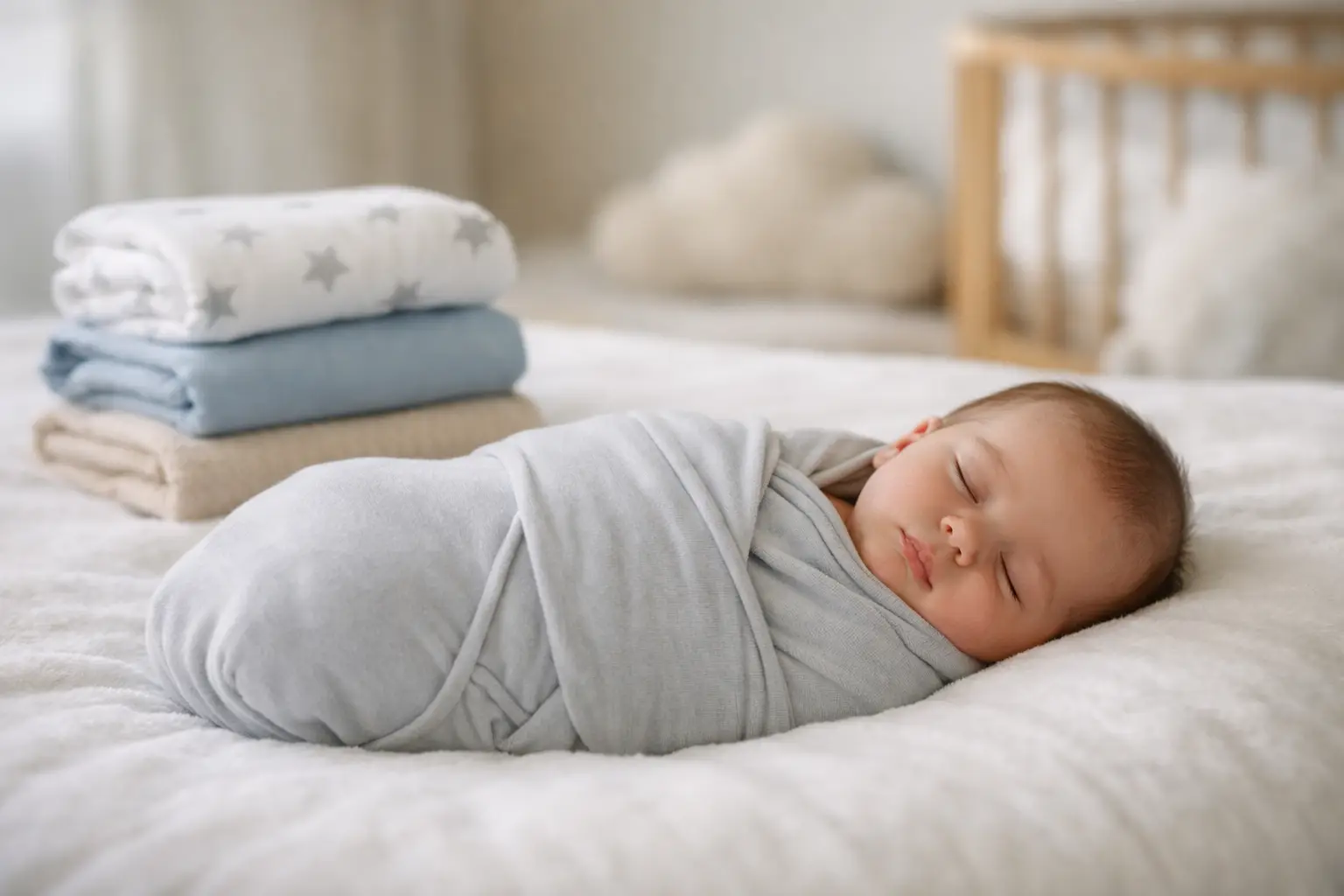
A good swaddle can help by reducing the moro reflex, keeping your baby snug, and creating a more consistent sleep cue. But not every swaddle works for every baby. Some newborns settle immediately in a classic wrap. Others fight anything that pins their arms down and do better with a more flexible design.
What makes the best swaddles for better sleep?
The best swaddles support sleep without creating a daily wrestling match for parents. That usually comes down to fit, fabric, ease of use, and how well the swaddle matches your baby’s preferences.
Fit matters first. A swaddle should be snug around the torso but not tight around the hips. Babies need room for healthy hip positioning, with legs able to bend and move naturally. If the swaddle rides up near the face, loosens easily, or bunches around the neck, it is not the right fit.
Fabric matters more than many parents expect. Cotton is a reliable everyday choice because it is breathable and soft. Muslin tends to feel lighter and works well in warmer homes. Fleece and heavier fabrics can be cozy, but they are easier to overdo, especially if your baby already sleeps warm. If your nursery temperature changes a lot overnight, that is worth considering before you buy multiple swaddles in one style.
Ease of use is the other big factor. Some parents love traditional swaddle blankets because they are versatile and budget-friendly. Others want Velcro or zipper swaddles because they are faster and harder for a wiggly baby to escape. Neither option is automatically better. The right one is the one you can use correctly when you are tired.
Types of swaddles to consider
Traditional swaddle blankets
These are usually square or rectangular blankets made from cotton or muslin. They give you the most flexibility in how you wrap your baby, and they can double as burp cloths, stroller covers, or lightweight blankets during the day.
The downside is the learning curve. If you never feel confident getting a secure wrap, they can come loose too easily. They also are not ideal for every caregiver. A grandparent, babysitter, or sleep-deprived partner may have a harder time getting the wrap right each time.
Velcro swaddles
Velcro swaddles are popular for a reason. They are fast, fairly foolproof, and helpful for babies who break out of blanket wraps. Most have wings that fold across the chest and fasten securely, which can make bedtime feel much less frustrating.
The trade-off is that some babies dislike the sound of Velcro during nighttime diaper changes. Velcro also wears down over time, especially with frequent washing. Still, for many families, the ease is worth it.
Zipper swaddles
Zipper swaddles are another strong option, especially if your baby likes a consistent, snug fit. Many have a pouch-style bottom that makes diaper changes simpler, and some allow hands-up positioning for babies who hate having their arms fully pinned.
These can be especially useful for parents who want a cleaner, less bulky sleep setup. Just make sure the zipper design does not force your baby into a position they clearly resist.
Arms-up and transitional swaddles
Not every baby sleeps best with arms fully down. Some settle better with hands near the face, which is where arms-up styles can help. Transitional swaddles are also helpful when your baby is starting to roll and you are moving away from full swaddling.
These are not always the first choice for a fresh newborn, but they can be a smart solution if standard swaddles lead to a lot of struggle and short naps.
How to choose the right swaddle for your baby
If your baby is a strong wriggler, a Velcro or zipper swaddle may save you time and frustration. If your baby runs warm, a lightweight muslin or breathable cotton option usually makes more sense than anything plush or layered. If your baby seems calmer with hands near the mouth, an arms-up design may work better than a classic arms-down wrap.
It also helps to think about your own routine. Some parents do fine mastering blanket swaddling at bedtime but want something easier for middle-of-the-night changes. Others want one simple system every caregiver can use. The best choice is not just about sleep theory. It is about what works in your actual household.
Trying one of each type before stocking up is often the most practical move. Babies can be surprisingly opinionated, and a swaddle that works beautifully for one child may be rejected by the next.
Features worth looking for in the best swaddles for better sleep
Breathability should be near the top of the list. Overheating is a real concern, so look for materials that make sense for your climate and your baby’s sleepwear. Soft seams, secure closures, and a shape that supports hip movement are also important.
A two-way zipper or bottom-opening design can make diaper changes easier without fully unwrapping your baby. That may not sound like a major feature at first, but it matters a lot at 3 a.m. when you are trying not to fully wake a drowsy newborn.
Washability counts too. Newborn sleep gear gets spit up on, leaked on, and washed constantly. A swaddle that loses shape after a few washes will not stay effective for long.
Swaddle safety matters more than brand hype
No matter how highly rated a product is, safe use is what actually helps protect your baby during sleep. Swaddles should always be used for back sleeping on a firm, flat sleep surface with no loose blankets, pillows, or stuffed items in the crib or bassinet.
The swaddle should be snug around the chest but never restrictive. Hips and knees should still be able to bend naturally. If the neckline is too loose or the fabric can ride up over your baby’s face, stop using that swaddle.
The biggest transition point is rolling. Once your baby shows signs of trying to roll, it is time to stop traditional swaddling with arms restrained. This often happens earlier than parents expect, sometimes around 8 weeks, sometimes later. It depends on the baby. If you are unsure, bring it up with your pediatrician.
Common swaddle mistakes that can disrupt sleep
One common issue is choosing a swaddle that is too warm for the room. A sweaty neck, damp hair, flushed cheeks, or frequent waking can all be clues that your baby is overdressed or overheated.
Another mistake is assuming every restless baby needs a tighter swaddle. Sometimes the problem is not the swaddle itself. It could be gas, hunger, reflux, noise, or an overtired bedtime. Swaddling can support sleep, but it cannot fix every cause of wakeups.
Parents also sometimes keep swaddling because it has been helping, even when their baby is showing early rolling attempts. That transition is inconvenient, especially if sleep gets rocky for a while, but safety has to come first.
When swaddling helps and when it does not
Swaddling tends to be most useful in the newborn stage, especially for babies with a strong startle reflex. It can help create a contained, calming feeling that makes falling asleep easier.
But it is not magic, and it is not a requirement. Some babies never like being swaddled. Others sleep well in a sleep sack from the beginning. If your baby fights the swaddle every single night, arches, cries harder once wrapped, or settles better with arms free, pay attention to that.
Good sleep is rarely about one product alone. Feeding patterns, wake windows, room temperature, noise levels, and your bedtime routine all play a role. The swaddle is just one piece of the bigger picture.
If you are trying to choose between several options, focus less on trends and more on function. Look for a swaddle that fits your baby safely, matches your room temperature, and is easy enough to use consistently. That is usually what leads to better sleep, not the most expensive label on the shelf.
If your newborn sleeps a little longer and settles a little faster because you found the right swaddle, that is not a small win. For tired parents, it can change the whole feel of the day.