Montessori Parenting at Home Made Practical
The morning rush is often where good parenting intentions meet real life: a toddler wants to pour their own cereal, shoes are on the wrong feet, and everyone needs to leave in ten minutes. Montessori parenting at home is not about making every moment perfectly calm or buying a classroom full of wooden materials. It is about creating everyday opportunities for your child to participate, practice, and gradually do more for themselves.
For many families, that shift can make daily life feel less like a series of battles and more like shared teamwork. It also takes patience. Independence is usually slower and messier before it becomes genuinely helpful.
What Montessori Parenting at Home Really Means
The Montessori approach grew from the work of Italian physician and educator Dr. Maria Montessori. At its core, it respects children as capable learners who develop through hands-on experience, purposeful work, movement, and appropriate freedom within clear limits.
At home, this does not mean you need to follow a strict method. A Montessori-inspired family might keep a low hook for a child’s coat, invite a preschooler to help wash produce, or let a toddler choose between two weather-appropriate shirts. The goal is not to make children independent before they are ready. It is to notice what they are ready to practice and make that practice possible.
This approach can be especially useful for parents who feel worn down by constant requests for help. Children naturally want autonomy, but they need an environment that lets them succeed safely. When the only cups are in a high cabinet and every snack requires adult help, a child’s desire to participate can quickly turn into frustration.
Start With the Environment, Not a Shopping List
A child-friendly home does not have to look like a preschool classroom. Begin by looking at your home from your child’s eye level. What do they need every day that they cannot reach, carry, open, or put away?
You may be able to make small changes using what you already own. Put a few cups and plates in a lower cabinet. Add a sturdy step stool near the sink. Keep a basket with socks and underwear in a low drawer. Place a hamper where your child can actually use it. Limit the number of toys available at one time so cleanup is manageable.
The most helpful setup depends on your child’s age, temperament, and your space. A two-year-old may benefit from one accessible shelf and a simple snack station, while a five-year-old may be ready to pack their backpack with a visual checklist. If you have multiple children, you may need shared spaces with a mix of accessible items and adult-only storage.
Safety still comes first. Keep medications, cleaning products, sharp tools, choking hazards, and anything breakable or dangerous out of reach. Montessori parenting is not hands-off parenting. It means preparing the space so your child can have meaningful freedom without being put in an unsafe position.
Choose fewer, more useful toys
A crowded playroom can make it harder for children to focus. Instead of offering every toy at once, try placing a small number of open-ended, age-appropriate options on low shelves. Blocks, simple puzzles, books, crayons, dolls, vehicles, and pretend-play items can all support independent play.
Rotate some toys every week or two based on what your child is using. Rotation is not a rule, and there is no need to hide a beloved toy just because it has been out for a while. The point is to reduce visual overload and help children care for what they have.
Let Daily Routines Become Learning Opportunities
The practical side of Montessori parenting at home often happens during ordinary chores. Young children are not trying to create more work for you when they insist on helping. They are trying to belong.
A toddler can carry a diaper to the trash, place napkins on the table, or wipe a small spill with a cloth. Preschoolers can sort laundry, feed a pet with supervision, help stir pancake batter, or match clean socks. Older children can take on parts of meal planning, room care, and laundry.
At first, these jobs may take longer than doing them yourself. That is the trade-off. If you need to get dinner on the table quickly, it is reasonable to save the child-led cooking project for another day. But when time allows, slow down enough to teach one real step rather than giving a pretend task that does not matter.
Use clear, specific language while you demonstrate. Instead of saying, “Be careful,” try, “Carry the glass with two hands and walk slowly.” Instead of taking over when water spills, hand your child a towel and say, “Water spilled. Let’s wipe it up.” This gives children information they can use without making mistakes feel shameful.
Offer Choices Without Giving Up Boundaries
Choice is a powerful Montessori tool, but unlimited choice can overwhelm young children. A toddler asked, “What do you want to wear?” may freeze, protest, or demand shorts in winter. A more useful question is, “Would you like the blue shirt or the green shirt?”
Offer two options that both work for you. Your child can choose the red cup or the yellow cup, whether to brush teeth before or after pajamas, or which book to read at bedtime. You remain responsible for health, safety, timing, and family expectations.
Some things are not choices, and that is okay. Car seats, holding hands near a parking lot, leaving the playground when it is time to go, and taking needed medication may require a firm adult boundary. You can acknowledge feelings without changing the limit: “You want to stay. It is hard to leave when you are having fun. We are leaving now.”
This balance helps children learn that their voice matters while also giving them the security of predictable leadership.
Practice Observation Before Stepping In
One of the most valuable habits in a Montessori-inspired home is pausing to observe. When your child is struggling with a zipper, puzzle, or tower of blocks, your first instinct may be to fix it. Try waiting a few seconds instead.
Watch for signs that they are concentrating, experimenting, or becoming truly stuck. If help is needed, offer the smallest amount of support that moves them forward. You might hold the bottom of a jacket while your child pulls the zipper, rather than zipping it completely. Next time, they may need less help.
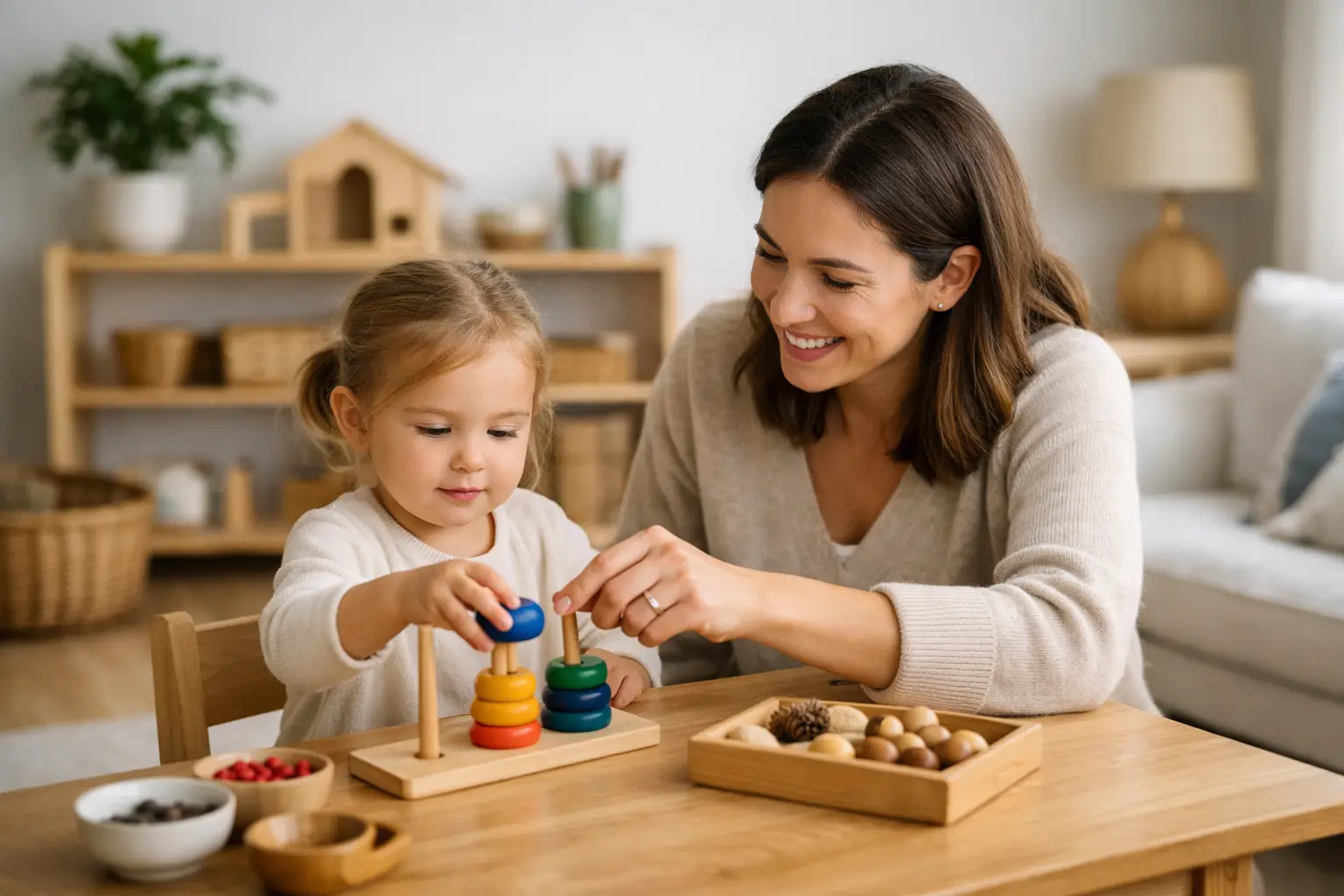
Observation also helps you choose activities that fit your child right now. A child who repeatedly pours water from one cup to another may be working on coordination and concentration. Instead of redirecting them to a more obviously educational activity, set up the pouring work in a safe spot with a towel nearby.
Not every activity needs an adult lesson attached to it. Deep play, repetition, boredom, and small failures all teach children something useful.
Use Respectful Communication During Hard Moments
Montessori parenting is sometimes mistaken for permissive parenting. In reality, respect and limits belong together. Children need adults who speak calmly, mean what they say, and help them learn acceptable ways to express big feelings.
During a meltdown, your child may not be able to use the skills they practice when calm. Focus first on safety and connection. Get low, use few words, and stay nearby if they want you there. You might say, “You are very upset that the tablet is off. I will help you be safe. The tablet is still all done.”
Later, when everyone is calm, teach the alternative: asking for help, stomping feet on the floor, squeezing a pillow, or using words such as “I’m mad.” Respectful communication does not mean expecting a young child to regulate alone. It means treating their feelings as real while guiding their behavior.
Avoid turning independence into pressure
Children develop at different rates. One child may happily dress themselves at three, while another needs help with clothing well into preschool. A child who is tired, sick, hungry, anxious, or adjusting to a new sibling may temporarily need more support than usual.
Try not to frame help as failure. You can say, “You did the first part, and I’ll help with the tricky button,” rather than, “You know how to do this.” Independence grows best when children feel safe asking for assistance.
Build a Rhythm Your Family Can Maintain
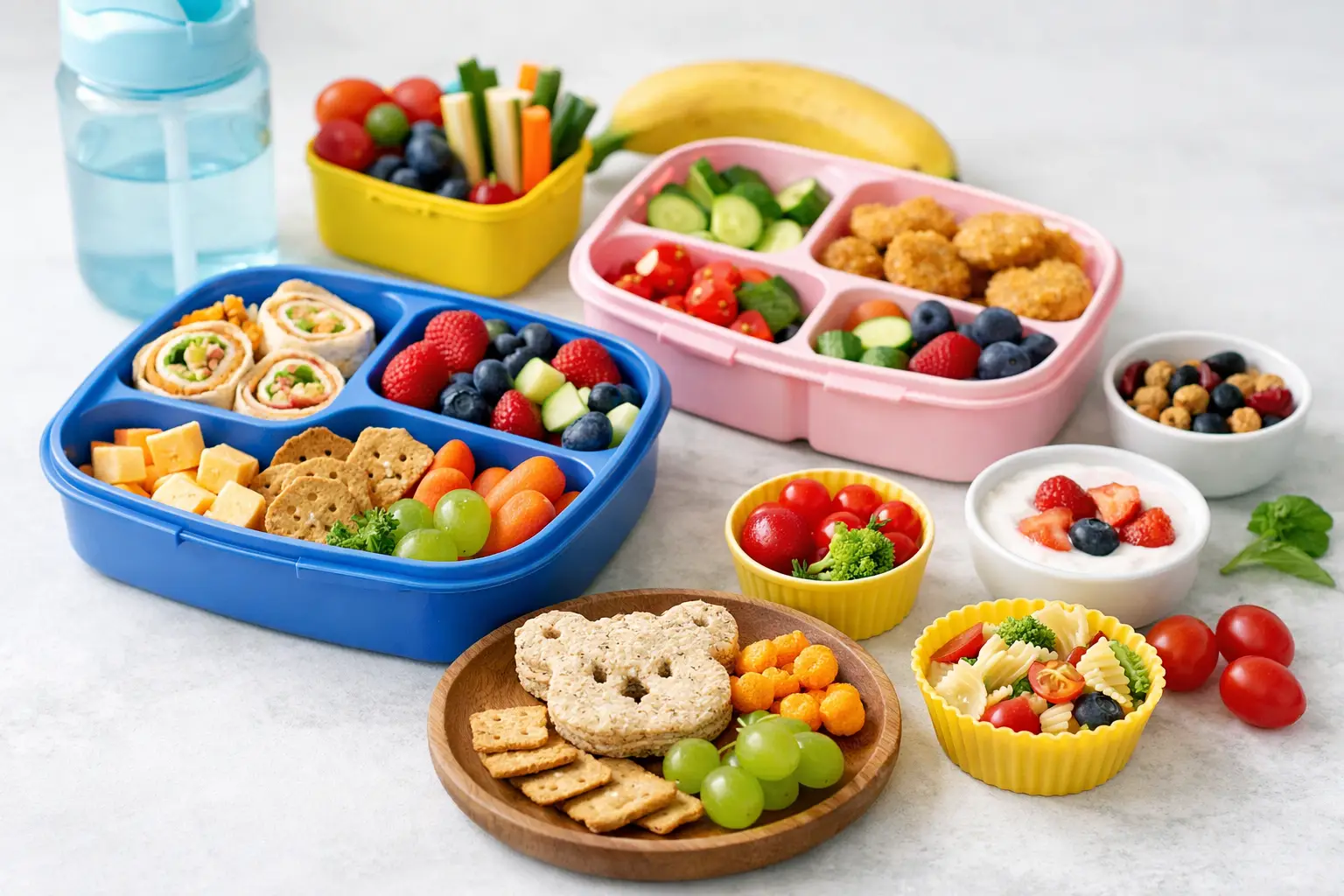
You do not need to overhaul your home by Monday. Pick one routine that causes friction and make one small change. If mornings are difficult, set out two clothing choices the night before and create a low spot for shoes. If snack requests are constant, prepare a simple shelf with parent-approved options. If cleanup becomes a power struggle, reduce the number of toys available and practice putting one activity away before starting another.
Consistency matters more than a picture-perfect setup. Children learn through repetition, and parents do too. Some days you will have the time and energy to let your child spread peanut butter, sweep crumbs, and zip their own coat. Other days, you will do it for them because the family needs to get moving.
That flexibility is not a failure of the Montessori approach. It is what makes it work in a real home. Start with one invitation to participate, notice what your child can do, and let that small success shape the next part of your day.