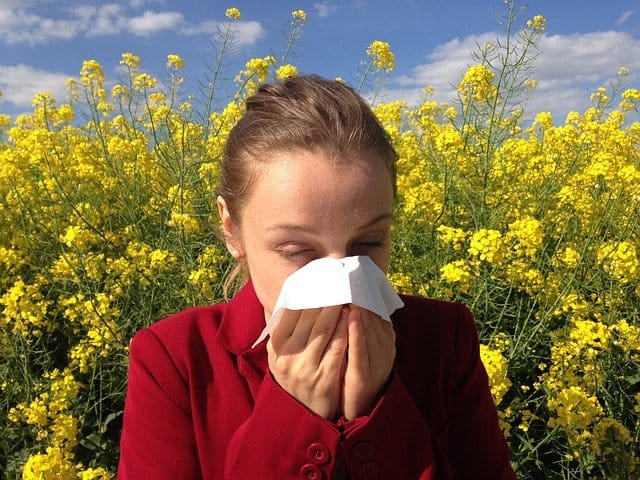
What Allergy Medicine Can I Take While Breastfeeding
Alergies affect 50 million Americans every year. They have caused plenty of discomfort to people, both young and old. And because of its chronic nature, allergies simply can’t go away.
We are surrounded by allergens every day, from particles in the air to ingredients that come in our food. These allergens can cause itchy skin, runny noses, hives, rashes, and scratchy throats. And at their worst, allergies can be life-threatening.
Like other people, moms can also experience allergies. However, getting the right remedy is not as simple as going to the pharmacy. Mothers also have to think of what medication is safe while nursing their children.
What Triggers Allergies?
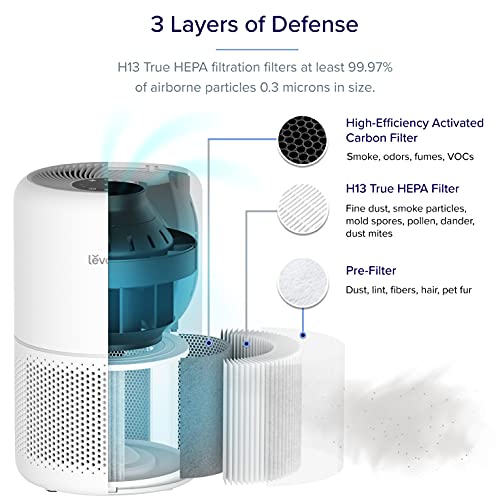
Different people have different triggers for allergies. Some of the most common allergens in your environment include dust, pollen, mold, and animal fur.
Some food can also trigger allergic reactions. Milk, egg, nuts, soy, wheat, fish, and shellfish are food that commonly causes allergies. Food allergies can cause reactions that range from mild to severe.
Medicines, house chemicals, and latex products are other common allergens. They can cause irritation when ingested or touched.
Allergies are usually spotted as early as infancy. However, some allergies will go away once a child ages. Alternatively, allergies can also come later in life.
How to Treat an Allergic Reaction
Treatment for allergies depends on how severe the reaction was. Some people experience mild symptoms like itching and wheezing, while others have more fatal cases.
Minor allergic reactions are remediable antihistamines, corticosteroids, or decongestants. Treatment can be administered through oral pills, eye drops, nasal rinses, and ointment.
For severe reactions like anaphylaxis, immediate medical attention is necessary. If you or someone you see is having an anaphylactic reaction, call 911 right away.
What Allergy Medicine Can I Take While Breastfeeding
Medicines that go into your bloodstream can be taken into your breast milk. If taken in moderation, medications won’t affect your child while breastfeeding. Medicines like pain relievers and antibiotics are safe examples.
Certain antihistamines and decongestants are safe for breastfeeding mothers. However, this depends on what your physician will prescribe. Some medications can decrease milk supply.
Tips on Taking Anti-Allergen Medicines
It’s important to stay vigilant, especially while nursing a child. Here are some tips on how you can treat your allergies smoothly:
Consult Your Doctor First
Always visit your physician first before starting any anti-allergens. Your doctor can advise you on what medicine is safe for you and your child. They can also suggest which medication is more effective based on your symptoms.
Your doctor can also tell you how often you should take your medication. Antihistamine is safe for everyday use, provided that it doesn’t interact with other medicines. WIth your physician’s help, you can find the correct anti-allergen for you.
Avoid Ingesting Non-FDA Approved Products (Unless Authorized)
Many products advertise that they alleviate symptoms with herbal and organic ingredients. However, you should always be careful because some of them might not be FDA-approved. These products can cause more harm than good to you and your baby.
If you are interested in a product, always ask your doctor first before buying. It’s better to rely on professional advice over testimonials.
Have Enough Rest
Rest is necessary if you want to have a speedier recovery. Don’t tire yourself since stress can worsen your symptoms. Plus, antihistamines can also cause drowsiness and make it harder for you to keep your eyes open.
Remove All Allergens from Your Environment
This is a very crucial step. You must find what caused your allergies in the first place and then immediately remove it.
If you’re allergic to dust and pollen, you can wear a mask when going outside and avoid opening windows all day. If your trigger is a food product, give your meal away and avoid eating them again. It’s also a good idea to read the label on the back before eating or drinking something.

Watch Out for Reactions from Your Child
Seek medical attention when you notice a reaction from your child. Your doctor might advise you to stop breastfeeding for a while until your allergy disappears. They might also change your anti-allergy meds to avoid future accidents.
How to Prevent Future Allergic Reactions
Allergies don’t disappear into thin air after treatment. They can come back again another time, be it in a few days or in a few years. However, you can still protect yourself from allergic reactions.
You might have already removed all the allergens in your home. But sometimes, these allergens can appear elsewhere, like at work, at the park, at a party, or at your kid’s school. For this, you need to build up your immune system.
A healthy diet and regular exercise are two of the most basic yet effective ways of preventing allergies. Vitamin C and D have also been linked with allergy prevention.
Can I Take Emergen C While Breastfeeding
Keeping your surroundings clean, like at home, can also keep you from getting sick. Sweeping away dust and wiping away mold can lower the risk of future reactions.
Finally, always be keen about what you eat and drink. Don’t forget to read the labels all the time. If possible, it’s better to prepare your own meals at home, where you can control your ingredients.
Trying to avoid all allergens can feel tedious. But it’s far better to be careful than to regret being sick with a stuffy nose and itchy skin.
Conclusion
Allergies are common illnesses that affect millions of people every year. They can be irritating at best and deadly at worst. Failing to remedy an allergic reaction can lead to many complications.
When it comes to finding the right medicine, it’s important to always discuss it first with your physician. Nursing mothers are especially vulnerable. Always make sure you know what you are ingesting as it may affect your baby.
It’s hard to live with a stuffy nose every year, but that’s part of being here on earth. With proper care and medication, you don’t have to worry about your symptoms any longer. Say goodbye to tissue boxes and hello to more time with your kid!