How to Handle Picky Eating Without Mealtime Battles
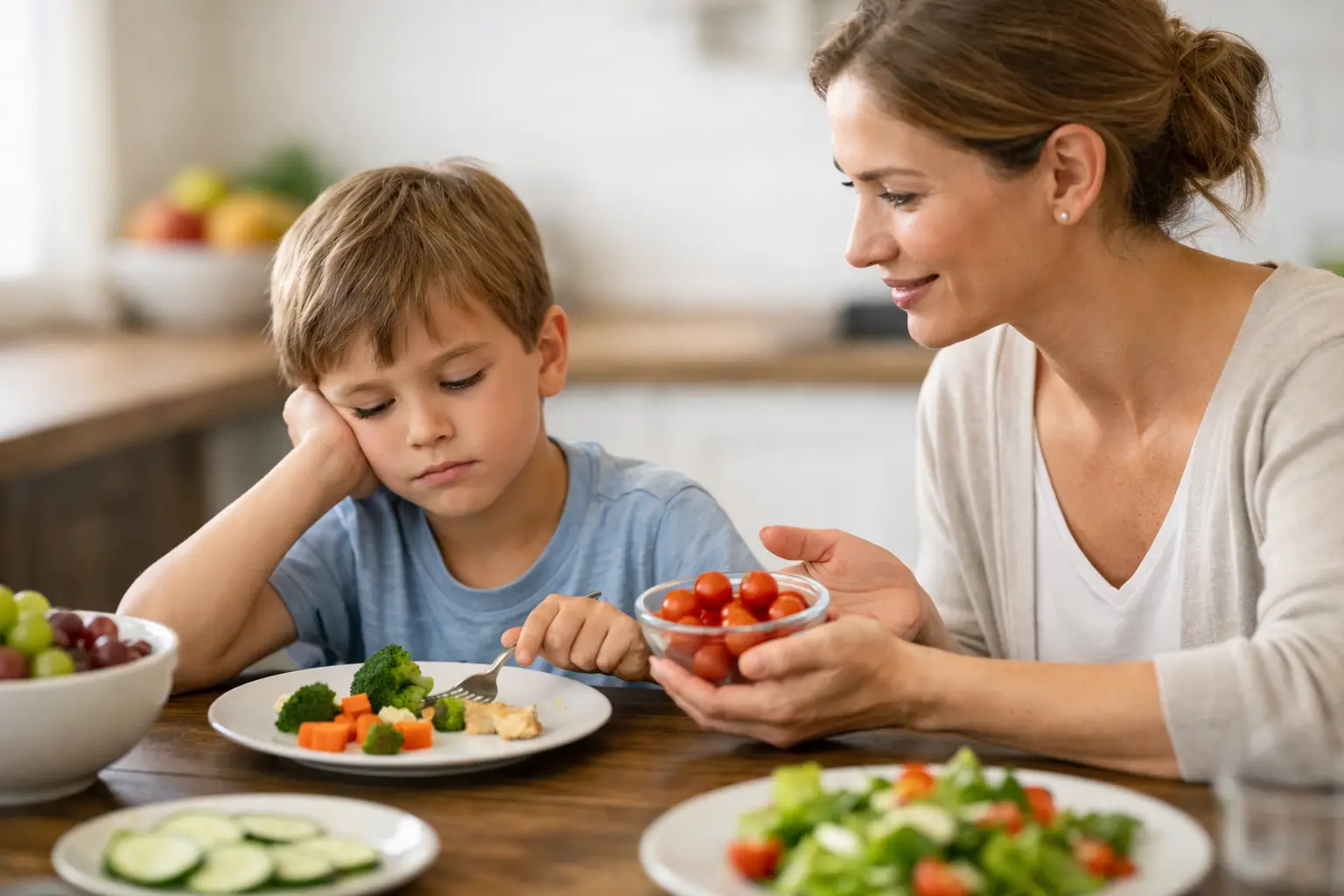
A toddler who eats crackers at lunch, refuses the chicken you served for dinner, and suddenly declares yogurt “too white” can make any parent question whether they are doing something wrong. Usually, you are not. Picky eating is a common developmental phase, especially in toddlers and preschoolers, and learning how to handle picky eating starts with lowering the pressure around the table.
Your child does need nourishment, but they do not need a tense negotiation at every meal. A calmer approach can protect both their relationship with food and your family’s routine.
Why picky eating is so common
Young children grow more slowly after babyhood, so their appetites can seem unpredictable compared with the first year. They are also learning independence, noticing texture and smell more intensely, and testing whether they have a say in daily life. Food is one of the easiest places for a child to practice saying, “No.”
That does not mean every refusal is a power struggle. A child may truly find a mushy texture unpleasant, feel tired after a busy day, or be less hungry because they filled up on snacks. Their preferences may also change from week to week. The food they loved on Monday may be firmly rejected on Thursday.
The goal is not to make your child like every food. It is to help them become comfortable seeing, smelling, touching, and eventually tasting a range of foods without turning meals into a contest.
How to handle picky eating with structure and choice
One of the most useful expert-backed parenting strategies is to separate your job from your child’s job. Parents decide what food is offered, when meals and snacks happen, and where eating takes place. Children decide whether to eat and how much to eat from what is offered.
This approach can feel uncomfortable at first. You may worry that your child will choose the bread roll and ignore the rest of the plate. Sometimes they will. But when you consistently offer balanced food at predictable times, most children learn to listen to their hunger and fullness cues more reliably than when they are pressured to take “just three bites.”
Keep a dependable food on the table
Serve at least one familiar food your child generally accepts alongside the family meal. This is not the same as making a separate dinner. If you are serving chili, a familiar side might be rice, avocado, shredded cheese, or fruit. If pasta with sauce is new or challenging, offer plain pasta on the plate too.
A dependable food removes the fear factor. Your child can participate in the meal without needing to love every item, while still seeing the other foods regularly. Avoid presenting the familiar food as a reward for trying the unfamiliar one. It belongs on the table just like everything else.
Offer small portions of new foods
A full scoop of a disliked food can feel overwhelming. Start with a tiny portion, such as one pea, a thin slice of bell pepper, or a spoonful of soup. Your child can always ask for more.
Try to keep your language neutral: “The carrots are crunchy today,” or “You can put it in the no-thank-you spot if you do not want it on your plate.” Describing food without judgment gives children room to explore. Calling a food healthy while labeling another food bad can make eating feel loaded and may backfire over time.
Build a predictable eating rhythm
Children are more likely to come to meals hungry when they have a regular schedule. For many toddlers and young children, three meals and two or three planned snacks work well. The exact timing depends on your child’s age, sleep schedule, activity level, and family routine.
Try to leave a little space between eating opportunities. Constant grazing on crackers, milk, juice, or snack pouches can blunt appetite at dinner. Water between meals is usually a simple default. If your child drinks a lot of milk, talk with their pediatrician about an appropriate amount for their age, since too much can reduce hunger for solid foods and may affect iron intake.
Make food exposure feel ordinary, not urgent
Children often need repeated, low-pressure exposure before accepting a food. Seeing broccoli on the table ten times without being forced to eat it still counts as progress. Some children need many more exposures than parents expect.
You can make this easier by serving one family meal with small adjustments rather than preparing completely different dishes. Set toppings out separately for tacos. Let your child add grated cheese or dip a vegetable in hummus. Serve a deconstructed version of a mixed meal when needed, such as rice, beans, chicken, and mild salsa in separate sections.
Involving children can help, too. A preschooler can rinse berries, stir pancake batter, tear lettuce, or choose between peas and green beans at the store. They may not eat what they helped make, and that is okay. The value is familiarity and ownership, not a guaranteed bite.
What to say when your child refuses dinner
The words you use matter because they set the emotional temperature of the meal. You can be firm about the routine without forcing food.
If your child says, “I’m not eating that,” try: “You do not have to eat it. This is what we are having tonight.” If they ask for a different meal, you might say: “You can choose from what is on the table. We will have a snack later.” Keep the later snack planned and simple, such as yogurt and fruit or toast with nut butter if appropriate for your child. It should not become a replacement made-to-order dinner.
Avoid bribing, threatening, or bargaining when possible. “Eat three bites and then you can have dessert” may produce a bite in the moment, but it can teach children that vegetables are an unpleasant chore and dessert is the real prize. Similarly, making a child sit long after everyone else is done can turn the table into a place they want to avoid.
That said, flexibility matters. A child who is sick, overtired, traveling, or adjusting to a new school routine may need more familiar food and less expectation for a while. Responsive parenting is not rigid parenting.
Common habits that can make picky eating harder
Well-meaning parents often fall into patterns that keep the cycle going. Short-order cooking teaches children that refusal leads to a preferred replacement. Pressure, spoon-feeding an older child who can feed themselves, and constant commentary about each bite can increase resistance.
Screens during meals can also make it harder for children to notice when they are hungry or full. A screen-free family dinner is not always realistic, particularly during a difficult season, but aim for at least some meals or snacks where your child can focus on eating and connecting.
Try not to judge a day’s intake by one meal. Young children often eat unevenly. They may barely touch dinner and then eat a hearty breakfast the next day. Looking at their eating over a week, along with their growth and energy, gives a more useful picture.
When picky eating needs more support
Typical picky eating is frustrating, but it usually does not interfere with growth or everyday life. Contact your child’s pediatrician if they are losing weight, not growing as expected, coughing or choking with foods, regularly vomiting, seeming to have pain when eating, or limiting themselves to a very small number of foods.
It is also worth asking for guidance if food fears are intense, meals cause significant distress, or sensory sensitivities make it hard for your child to tolerate many textures. Your pediatrician may recommend a registered dietitian, feeding therapist, occupational therapist, or speech-language pathologist, depending on what is happening. Getting support is not overreacting. It can make meals feel safer and more manageable for everyone.
Give the process time
Progress with picky eating rarely looks dramatic. It may look like your child allowing cucumber on the plate, licking a new sauce, or eating a food they rejected last month. Those small steps build food confidence.
Keep serving a variety of foods, protect the routine, and let your child practice being in charge of their own appetite. A peaceful table will not make every meal easy, but it gives your child the best possible place to learn that food can be both nourishing and enjoyable.