
Preschool Versus Daycare: Which Fits Your Child?
The decision often arrives before a child can explain what they want. You may need reliable care so you can work, while also wondering whether your toddler is ready for a more structured learning environment. When weighing preschool versus daycare, the best choice is rarely about which option is universally better. It is about which setting supports your child, your schedule, and your family’s budget right now.
Both can give young children caring adults, friendships, routines, and opportunities to learn. But they are designed for somewhat different purposes. Understanding those differences can make the decision feel less like a high-stakes guess and more like an informed family choice.
Preschool Versus Daycare: The Core Difference
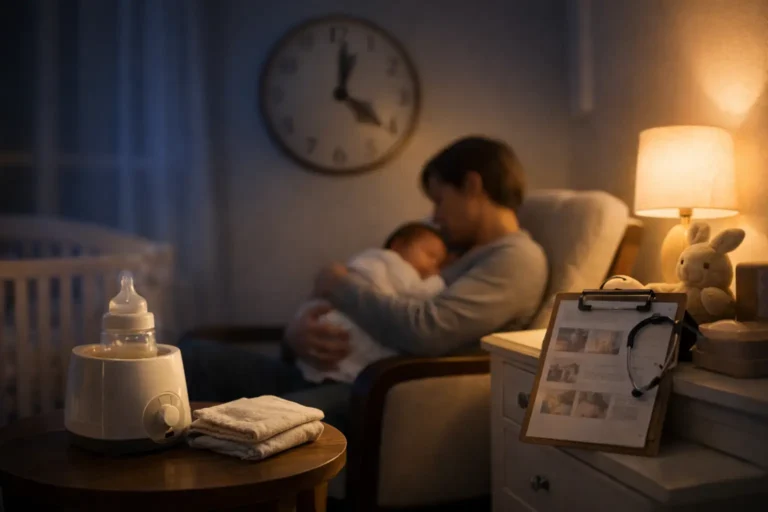
Daycare is primarily designed to provide ongoing child care while parents work, attend school, or manage other responsibilities. Many centers welcome infants through preschool-aged children and operate for a full workday, often year-round. Children may learn through play, songs, meals, outdoor time, and age-appropriate activities, but dependable supervision and care are the central services.
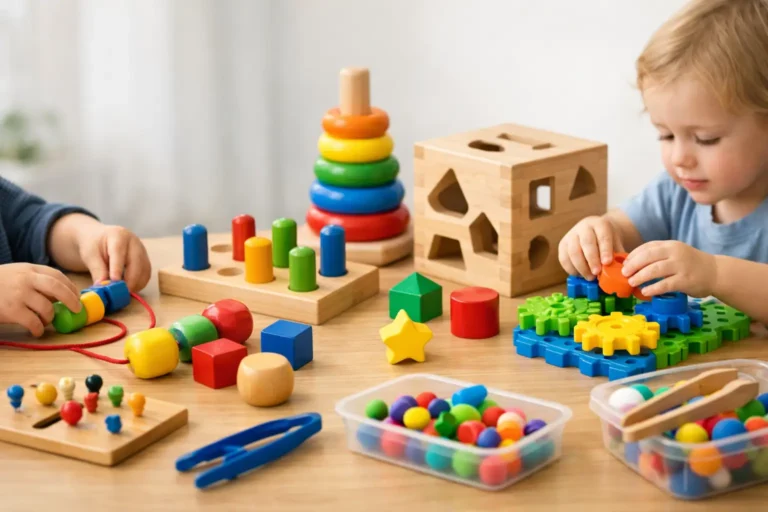
Preschool focuses more directly on early learning and kindergarten readiness. Programs commonly serve children ages 3 to 5, although some accept 2-year-olds. A preschool day may include circle time, stories, art, early literacy activities, counting, dramatic play, and practice with classroom routines such as waiting for a turn or cleaning up.
That distinction is helpful, but it is not absolute. A high-quality daycare may have an excellent preschool curriculum, and a preschool may offer extended-day care. The name on the sign matters less than the program’s actual schedule, teaching approach, staff training, and daily experience for children.
What Daycare May Offer Your Family
For families who need coverage for a standard workday, daycare can be the practical answer. Many programs open early, close later, provide meals or snacks, and remain available through much of the year. This consistency can be especially valuable for babies and toddlers who benefit from predictable caregiving routines.
Daycare also gives children repeated time with peers across the day. They learn in ordinary moments: taking turns with a truck, washing hands before lunch, coping when another child has the toy they wanted, and asking an adult for help. Those experiences build social and emotional skills, even when the program is not heavily academic.
A daycare setting may be a particularly good fit when your child is under 3, you need full-day care, or you value a single dependable arrangement for multiple years. It can also work well for a child who thrives with a familiar rhythm and close relationships with caregivers.
The trade-off is that classroom structure and educational goals may vary widely. Some daycares have a clear curriculum and dedicated early childhood teachers. Others are more play-based or have larger mixed-age groups. Neither approach is automatically wrong, but parents should ask how the program supports language, independence, problem-solving, and emotional development.
What Preschool May Offer Your Child
Preschool can provide a gentle bridge between home care and kindergarten. Children practice separating from a parent or caregiver, listening in a group, following simple directions, using materials independently, and participating in a classroom community. These are meaningful readiness skills that have little to do with memorizing letters.
A strong preschool program does not need to look like elementary school. For young children, play is learning. Building a block tower supports planning and persistence. Pretending to run a restaurant encourages language and cooperation. Painting, cutting, singing, and moving their bodies all help children develop skills they will use later.
Preschool may be a good match if your child is 3 or older, is curious about other children, and can manage a short group experience with support. It can be especially appealing for families who have flexible work arrangements, a caregiver at home, or another plan for the rest of the day.
The biggest challenge is often logistics. Many preschools run only two, three, or five mornings per week and follow a school-year calendar. Holiday breaks, early dismissals, and summer closures can create a major care gap for working parents. Before enrolling, make sure the schedule works on your busiest weeks, not just on an ideal week.
How to Tell Whether Your Child Is Ready
There is no single preschool-ready checklist. Children develop at different rates, and a caring program should help them grow rather than expect them to arrive fully prepared. Still, a child may be ready to try preschool when they show some interest in peers, can stay with another trusted adult for a short time, and can communicate basic needs in a way adults can understand.
Independence helps, but perfection is not required. Your child does not need to be fully potty trained unless the program requires it. They do not need to know the alphabet, sit still for long stretches, or happily say goodbye every morning. Many children cry during the first days of a new program and adjust once the routine becomes familiar.
If separation anxiety is intense or your child becomes distressed long after you leave, talk with the teacher about a gradual transition. A shorter first day, a consistent goodbye ritual, or a comfort item allowed by the program can help. Readiness is often less about a child’s age and more about whether adults can respond thoughtfully to their needs.
Compare the Daily Details Before You Decide
A brochure can make almost any program sound wonderful. A tour and a few specific questions reveal far more. As you compare preschool versus daycare, watch how adults speak to children. Are they calm, respectful, and engaged? Do children have active play, quiet time, outdoor time, and chances to make choices?
Ask about teacher-to-child ratios, staff turnover, discipline practices, nap expectations, illness policies, communication with parents, and how the program handles biting, conflicts, or big emotions. These details affect your child’s daily experience more than a colorful classroom theme.
It is also worth asking what happens when your child needs extra support. For example, how would teachers help a shy child join play, a child who resists transitions, or a newly potty-training child? The response should be specific and compassionate, not dismissive. You want a program that sees behavior as communication and partners with families to solve problems.
Cost deserves a clear-eyed comparison too. Full-day daycare is often more expensive because it provides more hours of care, meals, and year-round availability. Part-time preschool may cost less overall, but you may need to add babysitting, a nanny share, or family help to cover working hours. Factor in registration fees, supplies, late pickup fees, summer care, transportation, and unpaid time off during closures.
Remember That Quality Matters More Than the Label
The most beneficial setting is one where your child feels safe, known, and encouraged. Research on early childhood development consistently points to responsive relationships, language-rich interaction, play, and stable routines as the ingredients that matter. Those can exist in daycare, preschool, a home-based program, or a combination of care arrangements.
A child who spends full days in daycare is not missing out simply because the program is not called preschool. Likewise, a child who attends preschool a few mornings each week can gain valuable social and learning experiences without needing an all-day schedule. Avoid treating one choice as a marker of parenting success.
If possible, involve your child in a small way. Visit together, point out the books and play areas, and talk about what the day might look like. Their reaction should not make the decision alone, but it can offer useful clues about what feels exciting, unfamiliar, or overwhelming.
Your family’s needs can change, too. The daycare that works beautifully at age 2 may no longer feel like the right fit at age 4. The preschool that starts as two short mornings may become a comfortable stepping stone toward a longer schedule. Give yourself permission to choose the option that works now, keep paying attention, and adjust when your child or family needs something different.