
How to Teach Emotional Regulation to Kids
A toddler screaming because the blue cup is dirty or a preschooler crumpling after one small mistake is not trying to make your day harder. Their nervous system is overwhelmed, and they need skills they have not learned yet. Knowing how to teach emotional regulation gives you a way to respond that is both compassionate and practical, even when you are tired and the moment is loud.
Emotional regulation is not about making children stop crying, stay cheerful, or behave perfectly. It is the ability to notice a feeling, tolerate it, and choose a safe response. For young children, that ability develops slowly through thousands of everyday interactions with a calm, supportive adult.
Start With Co-Regulation, Not Correction
Children are not born knowing how to calm themselves. Babies and toddlers borrow calm from the adults around them through a process called co-regulation. When you lower your voice, get physically close, and offer simple reassurance, you help their body move out of a stress response.
This does not mean you need to fix every feeling. It means being the steady presence while your child experiences it. A child who is sobbing because playtime ended may need you to say, “You really wanted to keep playing. It is hard to stop when you are having fun. I’m here.” That response acknowledges the feeling while holding the limit.
Correction works better after a child has settled. In the peak of a meltdown, long explanations, consequences, and questions such as “Why are you acting like this?” can add more pressure. Focus first on safety and connection. Once your child is calm, you can talk about what happened and practice a different response for next time.
How to Teach Emotional Regulation Through Everyday Moments
The most effective lessons happen outside of a crisis. When your child is rested and connected, their brain is more available for learning. Use ordinary disappointments, sibling disagreements, waiting periods, and transitions as small chances to build skills.
Name feelings clearly and often
Young children may know they feel bad without knowing whether the feeling is frustration, worry, disappointment, jealousy, or exhaustion. Giving a feeling a name makes it less mysterious and more manageable.
Keep your language simple and connect the emotion to what your child can see in their body or behavior. Try, “Your hands are tight and your face is scrunched. You look frustrated,” or “You got quiet when Grandma left. Are you feeling sad?” If your child corrects you, that is useful too. They are learning to identify their internal experience.
Avoid rushing to replace difficult feelings with positive ones. Saying “Don’t be sad, it’s okay” is well-intended, but it can sound like sadness is a problem to hide. A better message is, “You’re sad because we had to leave. You can be sad, and we can still get in the car.” Feelings are allowed. Certain actions, such as hitting or throwing, may not be.
Show the response you want them to learn
Children notice how adults handle irritation, setbacks, and conflict. You do not need to be perfectly calm all the time. In fact, seeing you repair after a hard moment can be a powerful lesson.
Narrate your coping in a natural way: “I spilled my coffee, and I feel annoyed. I’m going to take one breath and clean it up.” If you raise your voice, come back later and say, “I was frustrated, but yelling was not the way I wanted to handle it. I’m sorry. Next time I will take a pause.” This teaches that regulation includes repair, not perfection.
Practice a small set of calming tools
A long menu of coping strategies can overwhelm a young child. Pick two or three that fit their age and personality, then practice them when they are already calm. Breathing slowly, squeezing a pillow, asking for a hug, drinking water, stomping outside, or sitting in a cozy corner can all help.
For a toddler, make the skill concrete. Blow pretend bubbles, smell an imaginary flower and blow out an imaginary candle, or press hands together and count to three. A preschooler may enjoy making a “calm-down plan” with pictures of tools that work for them.
Not every strategy will work for every child or every emotion. Some children calm with touch, while others need space. Some need movement before they can talk. Observe what actually helps your child’s body settle instead of insisting on the strategy you expected to work.
Set Limits Without Shaming Big Feelings
Emotional regulation grows best when children feel accepted and know where the boundaries are. You can validate the emotion and stop unsafe behavior in the same sentence: “You are mad that your brother took the truck. I won’t let you hit him. You can stomp your feet or tell him, ‘I’m still using that.’”
This approach is different from allowing everything. If your child throws a toy, calmly move the toy away. If they kick, create physical space and block the kick if needed. Keep the wording short: “I won’t let you kick. I’ll move back to keep us safe.” The goal is not to win an argument. It is to communicate that feelings are real and limits are reliable.
Try to avoid labels such as “dramatic,” “bad,” or “too sensitive.” Children often repeat the stories they hear about themselves. Describe the behavior instead: “You threw blocks when you were angry.” Then help them practice what they can do next time.
Create Routines That Support Regulation
Many emotional blowups are not caused by one major issue. They are the result of a child who is hungry, rushed, overstimulated, tired, or facing an unexpected transition. You cannot prevent every hard moment, but predictable routines reduce the number of times your child has to cope with more than they can handle.
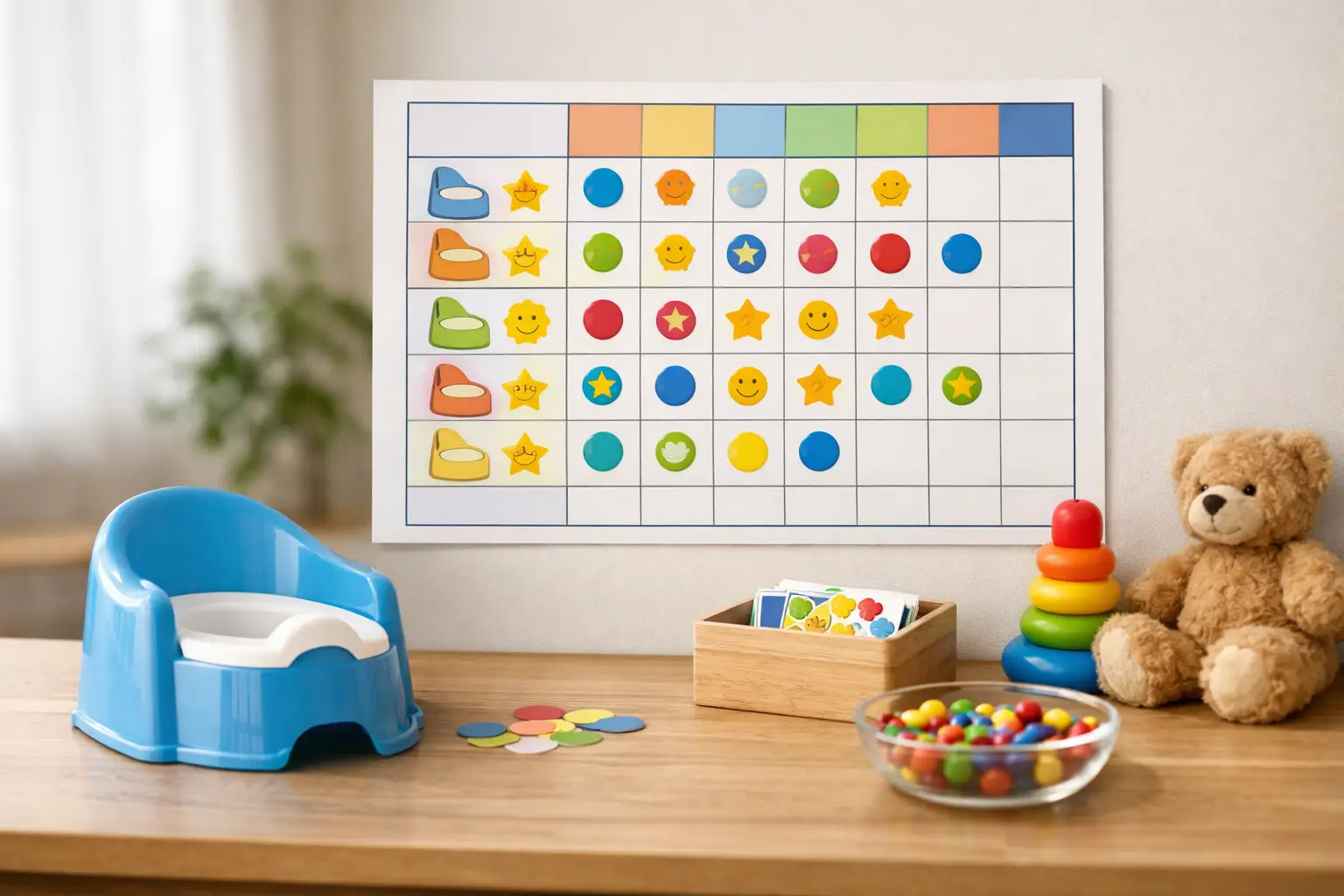
Build in transition warnings before leaving the playground, ending screen time, or starting bedtime. Young children often respond better to a concrete cue than a vague warning. “Two more turns on the slide, then shoes,” gives them a clear ending point. For recurring tough moments, such as getting dressed or leaving daycare, a simple visual routine can reduce power struggles.
Pay attention to your child’s pattern. A meltdown every afternoon may signal hunger or fatigue, not defiance. A child who struggles after busy social events may need quiet recovery time. Practical changes to the day are not giving in. They are thoughtful support for a developing nervous system.
Talk About the Moment After Everyone Is Calm
After a difficult moment, keep the follow-up brief, warm, and specific. You might say, “You were angry when I said no more cookies. You yelled and threw your cup. Next time, you can say, ‘I’m mad,’ and I can help you.” Rehearsing the words or actions later makes them easier to access under stress.
Be curious about triggers without turning the conversation into an interrogation. A preschooler may be able to tell you they felt left out, embarrassed, or worried. A toddler may only be able to point, nod, or accept your guess. Either way, the message is the same: hard feelings can be understood, talked about, and handled safely.
When Big Emotions May Need More Support
Frequent tantrums and intense feelings are common in early childhood, especially during major changes, illness, poor sleep, or new routines. Still, it can help to speak with your child’s pediatrician or a qualified child mental health professional if emotional outbursts are unusually severe, last a long time, regularly cause injury, disrupt school or family life, or come with major changes in sleep, eating, language, or social connection.
Seeking support is not a sign that you have failed. Some children have bigger sensitivities, developmental differences, anxiety, or stressors that call for individualized guidance. Early support can give both you and your child more effective tools.
Your child does not need you to respond flawlessly to every tear, protest, or meltdown. They need repeated experiences of being safe with their feelings, held to clear limits, and guided toward better options. Each time you stay present and help them recover, you are building a skill they will carry far beyond childhood.