
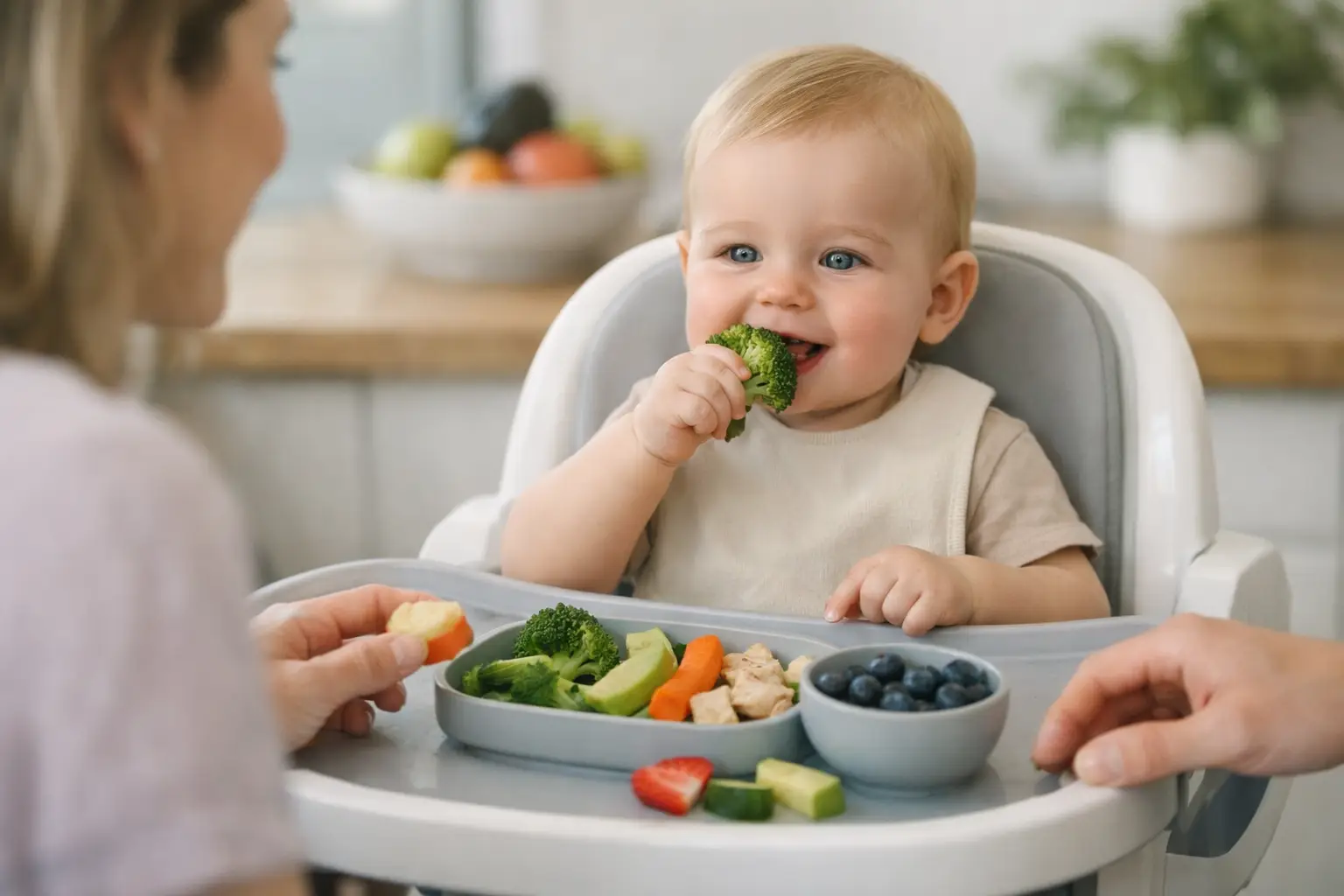
Starting Baby Led Weaning With Confidence
Your baby has grabbed a piece of toast from your plate, studied it carefully, and tried to bring it to their mouth. That curious little reach is often what makes parents consider starting baby led weaning. It can be a joyful way to introduce solids, but it also comes with very reasonable questions about choking, nutrition, and the astonishing amount of food that may end up under the high chair.
Baby-led weaning does not need to be all or nothing. The goal is to help your baby safely explore food, practice eating skills, and learn to respond to their own hunger and fullness cues. With a few practical safety habits and realistic expectations, you can make early meals feel more manageable.
What Starting Baby Led Weaning Actually Means
Baby-led weaning is an approach to introducing solid foods in which babies feed themselves soft, appropriately prepared foods rather than being fed most bites by an adult. Early on, that usually means offering large, graspable pieces of food. As hand control develops, babies gradually move toward smaller pieces and utensils.
The word “weaning” can be confusing for US parents. Starting solids does not mean stopping breast milk or formula. For most of the first year, breast milk or infant formula remains a baby’s main source of nutrition. Solid food is a chance to practice, explore flavors and textures, and slowly add nutrients such as iron to the diet.
Some families use a baby-led approach from the beginning. Others combine finger foods with spoon-fed yogurt, oatmeal, or purées. Both can support responsive feeding. You do not have to choose a strict label to give your baby meaningful opportunities to self-feed.
Look for Readiness, Not Just a Birthday
Many babies are ready to begin solids around 6 months old, but readiness matters more than the calendar. Starting too early can make eating less safe and more frustrating. Before offering finger foods, look for a combination of developmental signs.
Your baby should be able to sit upright with minimal support and hold their head steady throughout a meal. They should show interest in food, such as watching you eat or reaching toward it, and they should be able to bring objects to their mouth. The tongue-thrust reflex, where the tongue automatically pushes food back out, should also be much less noticeable.
A baby who is not yet sitting steadily in a high chair is not ready for baby-led weaning. This is a good time to wait, not push forward. If your baby was born prematurely, has difficulty gaining weight, has low muscle tone, or has a history of swallowing or feeding concerns, ask their pediatrician for individualized guidance before starting solids.
Set Up Meals for Safety and Less Stress
The safest place for meals is a stable high chair with your baby sitting upright at a 90-degree angle. Use the footrest if your chair has one. Support under the feet helps babies feel stable and can make it easier to focus on eating.
Stay within arm’s reach for the entire meal. Your job is not to place food in your baby’s mouth or rush them through bites. Instead, watch closely, let them lead the pace, and step in only if there is a true safety concern. Mealtimes work best when your baby is reasonably rested and not so hungry that they are too upset to explore.
Start with one or two pieces of food and keep the meal short. Ten to 15 minutes may be plenty at first. A silicone bib, wipeable mat, and a realistic attitude about mess will help, but mess is part of the learning process. Squishing, dropping, smelling, and smearing food are all ways babies learn.
Choose Safe First Foods for Baby-Led Weaning
For early self-feeding, food should be soft enough to mash easily between your thumb and finger. Offer pieces about the length and width of two adult fingers so your baby can grip one end while chewing the other. Once your baby develops a pincer grasp, often closer to 9 months, you can offer smaller, pea-sized pieces.
Good early choices include soft-cooked sweet potato wedges, ripe avocado slices rolled in finely ground cereal, banana spears, scrambled egg strips, tender shredded chicken, flaky fish, and well-cooked broccoli florets. Thick spreads such as hummus, peanut butter, or yogurt can be offered thinly on toast strips or preloaded onto a spoon.
Avoid foods that are hard, round, sticky, or slippery in ways that make them difficult to manage. Whole grapes, cherry tomatoes, nuts, popcorn, raw apple chunks, coin-shaped sausage, hard candy, and spoonfuls of nut butter are common choking hazards. Cut round foods lengthwise into quarters, cook firm produce until soft, and remove pits, bones, tough skins, and large seeds.
Gagging Is Different From Choking
Gagging can be unsettling to watch, especially during the first weeks of solids. A gagging baby may make noise, cough, splutter, or push food forward with their tongue. Gagging is a protective reflex and is common while babies learn how much food they can handle.
Choking is different. A baby who is choking may be silent, unable to cough or cry, and may have trouble breathing. Every caregiver should know infant choking first aid and CPR before starting solids. If you think your baby is choking, act immediately and call emergency services if needed.
Try not to sweep food from your baby’s mouth with your finger unless you can clearly see it and remove it easily. Blind finger sweeps can push food farther back. Staying calm is not always easy, but a calm adult can respond more effectively.
Prioritize Iron and Introduce Allergens Thoughtfully
Fruit and vegetables are wonderful for practice, but babies also need foods that provide iron. Around 6 months, the iron stores babies are born with begin to decrease. Include an iron-rich food regularly, such as soft meat, poultry, fish, eggs, beans, lentils, tofu, or iron-fortified infant cereal.
Pairing plant-based iron sources with foods rich in vitamin C can support absorption. For example, lentils with soft-cooked bell pepper or iron-fortified cereal with mashed berries are simple combinations. You do not need to build a perfect plate at every meal. Think about variety across the week instead.
Common allergens, including peanut, egg, dairy, wheat, soy, sesame, fish, and shellfish, can usually be introduced in age-appropriate forms once your baby is ready for solids. Offer a small amount earlier in the day, when you can observe your baby afterward. Keep introducing tolerated allergens regularly as part of normal meals.
Talk with your child’s clinician before introducing peanut or other allergens if your baby has severe eczema, an existing food allergy, or a previous reaction to food. Seek urgent medical care for signs of a serious allergic reaction, including trouble breathing, swelling of the lips or face, repeated vomiting, widespread hives, or unusual limpness.
Let Your Baby Lead, Even When They Eat Very Little
At first, your baby may lick avocado, chew a broccoli floret, and drop everything else. That is still learning. It is normal for food intake to be tiny and unpredictable during the early months, particularly when breast milk or formula is still providing most calories.
Offer food without pressure. Avoid coaxing “just one more bite,” distracting your baby into eating, or trying to control exactly how much they consume. You decide what food is offered and when; your baby decides whether to eat and how much. This division can lower stress at the table and supports a child’s developing ability to recognize fullness.
If a food is rejected, keep it neutral and offer it another time in a different form. A baby who throws zucchini today may enjoy it next week. Repeated, low-pressure exposure is more useful than trying to persuade a reluctant eater.
When a Flexible Approach Makes More Sense
Baby-led weaning is not a test of parenting confidence. Some babies do well with finger foods but need help with purées or preloaded spoons for certain meals. Some parents prefer the convenience of a mixed approach, especially at daycare, with grandparents, or during a busy week.
You can offer a strip of omelet beside a preloaded spoon of yogurt. You can serve family foods when they are safe and also keep a reliable baby option available. What matters most is that meals are safe, responsive, and appropriate for your baby’s developmental stage.
If meals consistently feel frightening, your baby coughs or gags excessively, weight gain is a concern, or feeding brings significant distress, reach out to your pediatrician. Getting support early can protect both your baby’s nutrition and your confidence.
The first weeks of solids are not about raising a perfect eater. They are about giving your baby safe chances to learn, while you learn their cues right alongside them. Start small, stay present, and let progress look a little messy.