
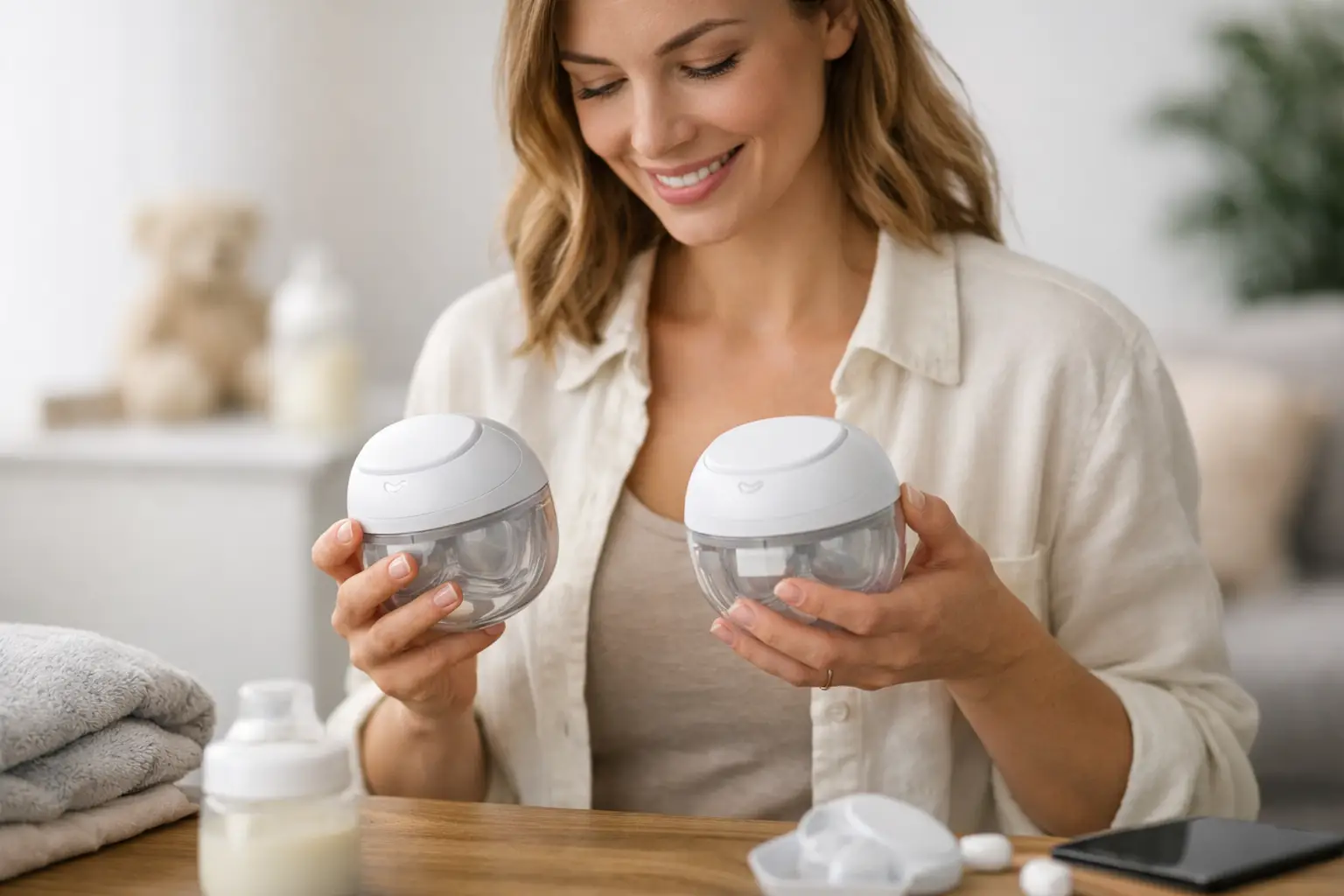
Hands Free Breast Pump: Is It Right for You?
The appeal of a hands free breast pump is easy to understand: one less session spent tethered to an outlet, holding bottles in place, and watching the clock. For a parent feeding a baby around the clock while also working, caring for older children, or simply trying to eat a warm meal, that freedom can feel significant. But wearable pumping is not automatically the best choice for every body, feeding goal, or stage of breastfeeding.
A hands-free setup can be a practical addition to your routine when you choose it with realistic expectations. The right pump should support your milk removal needs, fit comfortably, and make daily life easier rather than adding another frustrating device to manage.
What counts as a hands free breast pump?
The phrase can describe two different setups. A wearable breast pump sits inside your bra, with a compact motor and collection cup designed to be used without tubes or external bottles. These are the pumps most people picture when they hear “hands free.”
It can also mean using a pumping bra with a traditional electric pump. The pump motor and bottles remain outside your clothing, but the bra holds the flanges in place so your hands are free for a snack, keyboard, or baby book.
Neither option is universally better. Wearable pumps tend to offer the most mobility and discretion. A traditional pump paired with a hands-free bra often provides more consistent suction and a wider range of flange sizes, which can matter if you are building supply, exclusively pumping, or have had trouble emptying your breasts fully.
When a wearable pump can make life easier
A wearable pump is often most useful as a convenience tool. It may help you fit in a session during a work break, while preparing a simple meal, or while sitting with an older child who needs your attention. It can also be useful for the parent who needs to pump outside the house and does not want to carry as much equipment.
That does not mean pumping becomes completely invisible. Wearable pumps can be noticeable under some clothing, make noise, and require setup, cleaning, and careful positioning. You may be able to fold laundry while pumping, but you still need to pay attention to comfort, output, and potential leaks.
For many families, the most sustainable approach is a combination: a dependable primary pump for sessions when effective milk removal matters most, plus a wearable option for occasional or daytime convenience. This can reduce pressure on one device to do every job perfectly.
Who may need more caution with hands free pumping
A hands free breast pump may not be the best primary choice if you are in the early weeks of establishing milk supply. Frequent, effective breast stimulation and milk removal are especially important during this period. Some parents respond very well to wearable pumps, while others get less milk than they do with a standard double electric pump.
You may also want to be cautious if you have low supply concerns, recurring clogged ducts, nipple pain, a history of poor pump output, or a baby who is not transferring milk effectively. In these situations, the issue is not that wearable pumps are “bad.” It is that your pumping plan may need closer attention to fit, frequency, and how fully your breasts are emptied.
If you are exclusively pumping, tracking output for a premature baby, or trying to increase supply, consider speaking with an International Board Certified Lactation Consultant or your health care provider before relying on a wearable pump for most sessions. A professional can help you assess flange fit and create a plan that protects both your supply and your time.
What to look for before you buy
The best pump for a friend, coworker, or social media creator may not be the best pump for you. Start with your real routine: how often you expect to pump, where you will use it, whether you need to build a freezer stash, and how much cleaning you can realistically handle.
Pay particular attention to these practical details:
- Flange fit and sizing options: A poor fit can reduce milk output and cause swelling, rubbing, or pain. Check whether the pump includes inserts or offers sizes that match your needs.
- Suction settings: More suction is not always more effective. Look for adjustable settings and a rhythm that feels comfortable, not harsh.
- Cup capacity: If you tend to produce larger volumes, small collection cups may require mid-session emptying or lead to spills.
- Cleaning demands: Some wearable pumps have several small parts. Consider whether you can clean and dry them thoroughly between sessions.
- Battery life and charging: Think about your longest day away from home, not just a quick session on the couch.
- Replacement parts and cost: Valves, diaphragms, and other parts wear out. Ongoing costs can affect the value of a lower-priced pump.
Insurance coverage is worth checking, too. Many health plans provide a breast pump, although the specific model and upgrade options vary. If a wearable model is not fully covered, a standard pump may still be available at little or no cost and can serve as a strong backup.
How to get better results from a hands free breast pump
Fit is the starting point. Your nipple should move freely in the tunnel without excessive rubbing against the sides, and pumping should not cause pinching or lasting pain. Breasts and nipple size can change during the postpartum period, so a flange size that worked at one stage may need adjustment later.
Before relying on a wearable pump during an important workday, test it at home. Try it while sitting, standing, and moving gently around the house. Learn how full the cups can get before they leak, how long the battery lasts, and which setting gives you comfortable milk flow.
Positioning also matters more than many parents expect. Make sure the flange is centered over the nipple before starting. Once pumping begins, check that suction feels even and that milk is collecting. A bra that is too loose can allow the cups to shift, while one that is overly tight may press on the pump and affect comfort.
Try not to judge a pump by one session alone. Output naturally changes across the day and can vary with stress, hydration, sleep, baby’s feeding patterns, and how recently you nursed. Instead, look for patterns over several days: Are you comfortable? Are your breasts feeling adequately emptied? Is your overall supply meeting your baby’s needs?
Convenience should not mean ignoring your body
Hands-free pumping can make multitasking possible, but it is still a breast pumping session. Avoid activities that make it hard to notice pain, slipping cups, or leaks. It is also wise not to assemble, adjust, or troubleshoot a pump while driving. Save the device setup for before you leave or after you park.
After each session, follow the manufacturer’s cleaning instructions carefully. Milk-contact parts need appropriate washing and drying, and parts should be replaced on the schedule recommended by the manufacturer. If you notice a sudden drop in suction, check valves, seals, and alignment before assuming your supply has changed.
Call your health care provider if you develop fever, flu-like symptoms, a painful red area on the breast, or worsening breast pain. These can be signs of inflammation or infection that deserve prompt care.
A pump that fits your real life
The most useful breast pump is not necessarily the smallest, quietest, or most expensive one. It is the one that helps you remove milk comfortably and reliably within the life you are actually living. For some parents, that will be a wearable pump used every day. For others, it will be a traditional pump at home and a hands-free option for the moments when flexibility matters most.
Give yourself permission to adjust the plan as your baby grows, your schedule changes, and your feeding goals become clearer. A little more freedom during the day is valuable, and you deserve a pumping routine that supports both your baby and you.